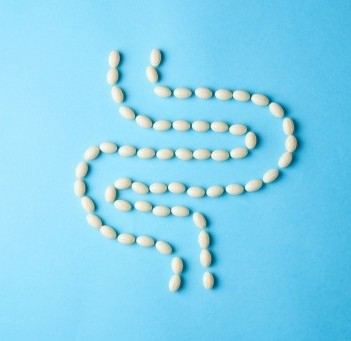
Today, the gut is increasingly referred to not only as our "second brain" (though the ancient Chinese and Japanese already considered it the first), but it is also jokingly said that we are merely a "space suit" for the trillions of microorganisms living in this still under-explored organ. These microorganisms, which directly influence us and our health, form an environment known as the gut microbiota. They play a key role in various aspects of our well-being, including digestion, immune function, and even mental health. They interact with our bodies in complex ways, influencing everything from nutrient absorption to mood regulation.
The view of ourselves as "space suits" for our gut microbiota may be humorous, but it highlights the profound interdependence between humans and the microbial communities that inhabit us.
Where do these microorganisms come from and how is the gut microbiome formed?
The microorganisms in our gut originate from various sources, such as the food we eat, the air we breathe, and even the things we touch. From the moment we are born, we begin acquiring microorganisms from our mothers during childbirth and through breast milk if we are breastfed. As we grow, the microorganisms in our intestines multiply and change depending on our diet, our environment, and other factors.

The gut microbiome is made up of all these microorganisms living within our intestines. Think of it as a tiny community of bacteria, viruses, and other microscopic creatures that help us digest food, fight off harmful microbes, and even influence our mood and health in various ways. They also produce vital components, such as short-chain fatty acids (SCFAs), and play a key role in the production of serotonin, 80% of which is generated in the gut. In essence, the microorganisms in our gut come from our environment and accumulate over time to create our unique microbiome.
To better understand this, we can break down exactly where these microorganisms come from and why it is so important to balance these factors to harmonize our microbiome:
- At Birth: During delivery, a newborn comes into contact with bacteria from the birth canal or the mother's skin, which initiates the colonization of the infant's gut. For children born via C-section, the initial composition of the microbiota may differ, influenced primarily by the mother's skin bacteria and the surrounding environment.
Did you know that natural birth is better for fostering an optimal human microbiome? - Through Breast Milk: Breast milk contains beneficial bacteria, complex oligosaccharides (prebiotics), and other compounds that help nourish and shape the composition of an infant's gut flora. These components promote the growth of beneficial bacteria, such as Bifidobacteria.
- Early Childhood Nutrition and Environment: The foundation of the gut microbiome is established during the first three years of life. This means that what infants and toddlers eat, as well as their environment, plays a massive role in shaping their gut bacteria for a lifetime. During this critical window, it is vital to pay attention to nutrition and surroundings to ensure a healthy foundation, which can have long-term effects on overall health and well-being. As children grow and begin to explore, they encounter various bacteria from family members, pets, and their environment, contributing to the diversity of their gut bacteria. Spending time outdoors is essential, as it exposes children to a wide spectrum of microbes, helping to build a strong and resilient immune system by training it to recognize and fight pathogens.
- Healthy Nutrition: The type of food consumed plays a major role in shaping the microbiota throughout life. A diet rich in fiber, fruits, vegetables, and fermented foods supports a diverse and healthy gut. Conversely, a diet high in processed foods, sugar, and saturated fats can disrupt the bacterial balance.
- Lifestyle Factors: Your lifestyle - including physical activity, stress levels, and sleep quality - significantly influences the microbiome. Regular exercise, stress management, and adequate sleep contribute to a balanced gut. On the other hand, poor habits such as a processed diet, physical inactivity, chronic stress, smoking, and alcohol consumption can lead to dysbiosis and various health issues.
- Genetics: While genetics influence an individual's susceptibility to certain conditions (such as Inflammatory Bowel Disease or IBD), the actual composition of the microbiota is largely shaped by environmental factors.
- Supplements and Pharmaceuticals: Beyond natural sources, supplements like probiotics, prebiotics, synbiotics, and postbiotics are commonly used to modulate gut flora. Probiotics (live beneficial bacteria) help restore balance, while prebiotics (non-digestible fibers) fuel beneficial growth. Metabiotics (microbial metabolites) are also being researched for their potential to modulate the gut environment.
- Sorbents: Sorbents are substances capable of binding to toxins and pathogens in the intestines, aiding in their removal and potentially alleviating gut-related symptoms. We will take a closer look at their functions and benefits below.
Functions and mechanism of action of sorbents
Once ingested, sorbents pass through the gastrointestinal tract, where they attract and bind various substances, including toxins and allergens. This binding occurs through adsorption, a process where target substances adhere to the surface of the sorbent.
After binding, the complex of the sorbent and the substance becomes too large to be absorbed through the intestinal walls. Consequently, it is eliminated from the body via stool. This process effectively reduces the concentration of harmful substances in the digestive tract, which can alleviate symptoms such as bloating, gas, and diarrhea, while supporting detoxification and the treatment of gastrointestinal issues.
The Impact of Sorbents on the Gut Microbiome
The interaction between sorbents and the gut microbiome is a highly complex relationship. On one hand, sorbents can bind to toxins and potentially harmful substances, aiding in their elimination from the body. Removing toxins and pathogens can benefit the gut microbiome by reducing the burden of harmful substances that could otherwise negatively affect microbial diversity and function.
Advantages of Gel Sorbents
Gel sorbents, such as Enterosgel, offer several advantages over traditional powder or capsule forms:
- Ease of Administration: The gel form is often easier to take than powders or capsules, especially for individuals who may have difficulty swallowing large tablets or who prefer a more palatable option. The required dose of gel is simply mixed with water and swallowed. Since the gel is odorless and tasteless, it is easy to incorporate into a routine.
- Selective Adsorption: These sorbents work primarily by adsorbing substances such as toxins, allergens, and harmful compounds from the gastrointestinal tract. Thanks to the unique structure of the gel, the sorbent adsorbs only minimal amounts of water, vitamins, and other beneficial substances, ensuring they remain available to the body.
In conclusion, when used within a proper balance to support the gut microbiome, sorbents can serve as valuable allies in combating intoxication and suppressing the growth of pathogenic flora. Whether in the context of chronic conditions, such as Irritable Bowel Syndrome with diarrhea (IBS-D), or acute cases like sudden diarrhea, sorbents offer a targeted approach to symptom relief by adsorbing toxins, pathogens, and excess gas from the digestive tract. By providing a temporary intervention that helps restore microbial balance in the gut, sorbents can contribute to alleviating discomfort and promoting overall intestinal health. When used judiciously alongside measures that support a healthy microbiome - such as dietary adjustments and probiotic supplementation - sorbents can play a beneficial role in maintaining gut health and general well-being.
Remember, maintaining a healthy microbiome is fundamental to your overall health and well-being, starting from childhood and continuing throughout your entire life. A balanced and diverse microbiome supports digestion, strengthens the immune system, regulates mood, and protects against various health conditions. A healthy lifestyle - including a nutritious diet, an active life, stress management, and adequate sleep - helps foster a thriving microbiome at every stage of life.