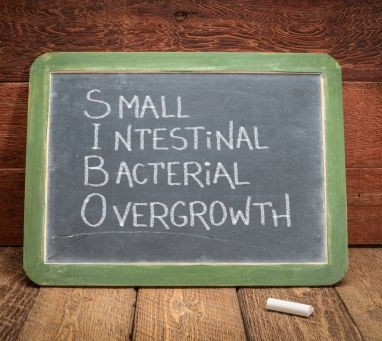
Digestive issues are common, and many people experience symptoms such as bloating, gas, or general discomfort without knowing exactly what is happening. One potential cause of these symptoms is a condition called Small Intestinal Bacterial Overgrowth, or SIBO. In this article, we will explain what SIBO is, how it differs from other intestinal problems, how you can determine if you have it, and what the treatment options are.
What is SIBO?
Small Intestinal Bacterial Overgrowth (SIBO) is a condition that occurs when there is an excessive growth of bacteria in the small intestine. Under normal circumstances, the concentration of bacteria in the small intestine is much lower than in the large intestine. However, in SIBO, bacteria multiply excessively, leading to a digestive imbalance. This can trigger various gastrointestinal issues, such as bloating, diarrhea, and abdominal pain.
It is important to emphasize that the small intestine is where the key phase of digestion takes place - the conversion and absorption of nutrients. If a problem occurs in this area, it has a significant impact not only on the digestive process and overall health but also on nutrient absorption, which can affect nutrition and physical well-being. If the absorption process is disrupted, it can lead to various complications, such as weight loss, a weakened immune system, and other health issues. SIBO, therefore, is not just a digestive matter; it can have broader implications for the body's overall health.
How does SIBO differ from dysbiosis?
Dysbiosis, also known as dysbacteriosis, refers to an imbalance in the qualitative or quantitative composition of the microflora (microbiota) within the large intestine. SIBO, on the other hand, specifically refers to the overgrowth of bacteria in the small intestine. While dysbiosis can affect the entire gut, SIBO focuses exclusively on the small intestine and tends to cause more severe digestive symptoms, such as bloating and gas immediately after eating. In short, all cases of SIBO are a form of dysbiosis, but not every dysbiosis is SIBO.
What Causes SIBO?
Several factors can contribute to the development of SIBO. Among the most common causes are:
- Decreased motility of the small intestine: Conditions such as diabetes or hypothyroidism can slow down the movement of food through the small intestine, allowing for excessive bacterial growth.
- Structural abnormalities: Issues such as diverticula (pouches in the intestinal wall) or surgical alterations to the bowel can create areas where bacteria are able to accumulate.
- Weakened immune system: An impaired immune system can make it more difficult for the body to control bacterial growth.
- Use of certain medications: Long-term use of proton pump inhibitors (PPIs) or antibiotics can alter the balance of gut bacteria and contribute to the onset of SIBO.
- Other intestinal issues: Conditions such as Irritable Bowel Syndrome (IBS), celiac disease, or Crohn’s disease can increase the risk of developing SIBO.
How do you know if you have SIBO?
If you experience frequent digestive issues, you may be wondering if you have SIBO. The most common symptoms include:
- Bloating: A feeling of fullness or swelling in the abdomen.
- Abdominal Pain or Discomfort: Often occurring after meals.
- Excessive Gas: Feeling gassy or passing more gas than usual.
- Diarrhea or Constipation: These may alternate or occur independently.
- Nausea: Feeling sick to your stomach, especially after eating.
- Sudden Weight Loss: In some cases, bacterial overgrowth disrupts nutrient absorption, leading to weight loss.
What tests can prove SIBO?

There are two primary tests for diagnosing SIBO: the bacteriological method and the hydrogen breath test.
- Bacteriological method (small bowel aspirate and culture) This involves collecting a sample of fluid from the small intestine during an endoscopy to check for bacterial overgrowth. While accurate, it is invasive and not commonly used in routine practice.
- Hydrogen breath test (using glucose or lactulose) The hydrogen breath test is a non-invasive method that measures gases such as hydrogen or methane in the breath after ingesting a sugar solution. These sugars ferment in the small intestine, producing gases that are absorbed into the bloodstream and exhaled. Breath tests are performed using either glucose or lactulose.
It should be noted that these tests are relatively imprecise, meaning they have a high rate of both false-negative and false-positive results.
Treatment of SIBO
Treatment for SIBO typically involves a combination of antibiotics, dietary changes, and sometimes prokinetics (medications that help move food through the intestines). Here is the common treatment protocol:
- Antibiotics: The primary treatment for SIBO is the use of antibiotics such as rifaximin, which specifically target bacteria in the small intestine. In some cases, other antibiotics may be used depending on the specific types of bacteria present.
- Dietary changes: Many people with SIBO benefit from a specialized diet called the Low FODMAP diet, which helps limit the food sources that bacteria in the small intestine feed on. Another option is the Specific Carbohydrate Diet (SCD), which focuses on eliminating fermentable carbohydrates.
- Prokinetics: These are medications that help improve motility, ensuring that the small intestine effectively moves food and bacteria along.
- Elemental diet: This specialized nutritional approach involves liquid nutrition in the form of easily absorbable nutrients, which helps "starve" the overgrown bacteria in the small intestine. While shown to be effective in some studies, it is not commonly used in the Czech Republic, and its availability is limited.
- Herbal treatment: Some people choose natural alternatives, such as herbal "antibiotics" (e.g., oregano oil, berberine, or allicin from garlic), which may have antimicrobial effects. However, using herbs requires correct dosage and consultation with a specialist.
- Addressing underlying conditions: If SIBO is linked to another health issue, such as diabetes or IBS, treating the root cause can help manage SIBO.
In addition to these treatments, some people with SIBO may need to take dietary supplements to compensate for deficiencies caused by nutrient malabsorption. However, during SIBO treatment, a significant amount of lipopolysaccharides (LPS) can be released. These are toxic substances released when bacteria such as Klebsiella or E. coli—which are often overgrown in the small intestine—die off. LPS have a pro-inflammatory effect, which can increase systemic inflammation and damage the intestinal wall.
In this context, Enterosgel can play a significant role. Its unique mechanism lies in its ability to bind and remove LPS from the body, thereby helping to reduce inflammation and support the regeneration of the intestinal mucosa. This process can be useful not only during SIBO treatment but also in restoring the health of the gut microbiota and overall digestion.
SIBO is a manageable condition, but it is crucial to recognize the symptoms early and seek treatment. If you experience frequent digestive issues, consult your physician about testing for SIBO. With the right treatment plan, you can often achieve relief and restore the balance of your digestive health.