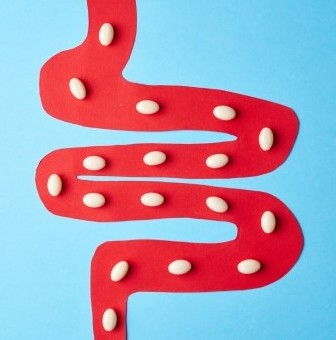
Modern medicine increasingly recognizes the critical role of the gut microbiome - a complex ecosystem of microorganisms and their genetic material - in maintaining human health. Disruptions to this balance can lead to the development of both acute intestinal diseases and chronic conditions affecting immunity, metabolism, and even psychological well-being.
The restoration and support of the microbiome have become priorities in modern gastroenterology and general medicine. Key therapeutic measures include prebiotics, probiotics, and synbiotics. Their synergistic use, complemented by sorbents, allows for the effective normalization of the microbiome and creates optimal conditions for digestion and immune protection.
Definitions and mechanisms of action
Prebiotics: Substrates for beneficial microflora growth
Prebiotics are non-digestible food components, primarily fibers and oligosaccharides, that pass through the stomach and small intestine largely unchanged. Upon reaching the colon, they serve as nourishment for symbiotic bacteria. Prebiotics support:
- Growth and metabolic activity of beneficial bacteria (e.g., Lactobacillus and Bifidobacterium).
- Synthesis of short-chain fatty acids (SCFAs) (acetic, propionic, and butyric acid), which play a crucial role in maintaining the health of the intestinal mucosa and regulating immune responses.
- Maintenance of an acidic environment, which prevents the overgrowth of pathogenic microorganisms.
Common prebiotics include inulin, fructans, galactooligosaccharides (GOS), pectin, and resistant starch.
These substances naturally support the growth of beneficial gut bacteria and are commonly found in foods such as onions, garlic, leeks, chicory, legumes (e.g., peas, lentils, chickpeas), fruits like apples or bananas, as well as in cooked and subsequently cooled potatoes, rice, or green bananas, which are sources of resistant starch.
Probiotics: Live Microorganisms with Proven Benefits
Probiotics are live microorganisms that, when administered in adequate amounts, confer a health benefit on the host. The main groups include the genera Lactobacillus, Bifidobacterium, and certain strains of Saccharomyces or Enterococcus.
Mechanisms of action include:
- Competition with pathogens for nutrients and attachment sites on the intestinal mucosa.
- Modulation of local and systemic immune responses.
- Secretion of antibacterial substances (bacteriocins) that suppress harmful bacteria.
- Improvement of the barrier function of the intestinal lining.
Natural sources of probiotic cultures include fermented foods such as yogurt, kefir, sauerkraut, kimchi, tempeh, miso, kombucha, or fermented pickles.
Synbiotics: A comprehensive solution for the microbiome
Synbiotics are combinations of probiotics and prebiotics designed to be used together. While these are often industrial formulations (capsules or powders), a synbiotic effect can also be achieved through food combinations - such as kefir containing inulin or sauerkraut consumed with prebiotic-rich plant foods.
This combination allows for:
- Simultaneous delivery of live bacteria and their nourishment.
- Enhanced survival and colonization of beneficial microorganisms.
- A more pronounced therapeutic effect compared to using probiotics or prebiotics alone.
The role of sorbents in comprehensive gut care
Sorbents are substances capable of binding and removing toxic substances, bacterial toxins, allergens, and excess metabolites from the body.
They are primarily used to:
- Provide rapid relief from symptoms of food poisoning.
- Reduce the concentration of harmful substances in the gut, including those resulting from microbial imbalance.
- Alleviate inflammatory reactions and protect the intestinal mucosa by forming a protective film.
- Support natural regenerative processes after the gut has been strained by antibiotics, toxins, or stress.
The combination of sorbents with prebiotics and probiotics can facilitate:
- Gentle cleansing of the intestinal environment, creating better conditions for restoring microbiota balance.
- Reduction of exaggerated inflammatory responses in the mucosa.
- Overall support of digestive functions and systemic detoxification.
Prebiotics, probiotics, synbiotics, and sorbents represent a broad spectrum of substances that can contribute to digestive balance and overall intestinal comfort. Each group operates through a different mechanism—from supporting the growth of beneficial bacteria to the gentle removal of harmful substances.
While their appropriate combination can assist with various digestive issues or serve as preventive care, it is important to remember that the most effective approach is always individual. Professional recommendations from a physician or a nutrition specialist are the most reliable guide for selecting specific products and their method of use.
Sources:
Markowiak, P., & Śliżewska, K. (2017). Effects of probiotics, prebiotics, and synbiotics on human health. Nutrients, 9(9), 1021.
https://pmc.ncbi.nlm.nih.gov/articles/PMC5622781/
Patel, R. M., & Denning, P. W. (2013). Therapeutic use of prebiotics, probiotics, and postbiotics to prevent necrotizing enterocolitis. Clinical Perinatology, 40(1), 11–25.
https://pubmed.ncbi.nlm.nih.gov/23415261/
Sanders, M. E., et al. (2018). Probiotics and prebiotics in intestinal health and disease: from biology to the clinic. Nature Reviews Gastroenterology & Hepatology, 16(10), 605–616.
Boudeau, J., et al. (2021). Prebiotics, probiotics, synbiotics, and the immune system. Frontiers in Immunology, 12, 675943.
https://pubmed.ncbi.nlm.nih.gov/25594887/