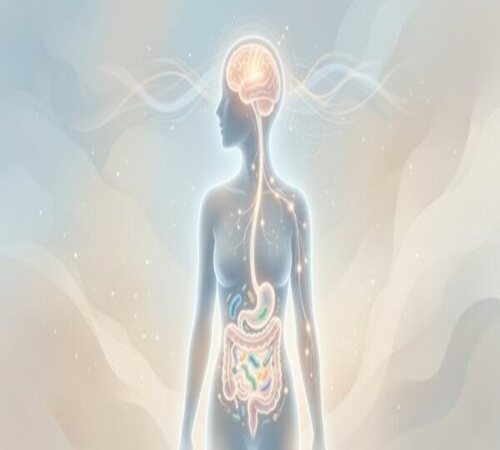
The Gut–Brain axis: A two-way communication
The gut and the brain are in constant communication via the nervous system, hormones, and immune signals. A key player in this process is the vagus nerve, which transmits information in both directions. This means that not only does your mental state affect digestion, but the condition of your gut can also influence your mood, stress resilience, and overall psychological well-being.
Furthermore, the gut contains an extensive network of nerve cells often referred to as the "second brain" (the enteric nervous system). This system manages digestion while reacting sensitively to emotions and stress triggers. Scientists have made the surprising discovery that approximately 80% of nerve fibers lead from the gut to the brain, not the other way around.
What happens in the gut during stress
During prolonged stress, the body produces increased amounts of stress hormones, such as cortisol and adrenaline. While these substances prepare the body for exertion, they also slow down digestion, alter blood flow to the intestines, and affect the gut microbiome.
This can result in the following issues:
- Bloating and flatulence
- Diarrhea or, conversely, constipation
- Abdominal pain
- Irritable Bowel Syndrome (IBS)
- Impaired nutrient absorption
- Dysbiosis of the gut microbiome
While some people experience digestive distress only during periods of mental strain, for others, these issues can become chronic and negatively impact their quality of life.
How stress, anxiety, and depression impact the digestive tract:
- Changes in gut motility: Stress can cause the movement of the intestines to speed up or slow down, leading to diarrhea or constipation.
- Increased sensitivity (Visceral Hypersensitivity): Mental tension can increase the gut's sensitivity to pain and bloating.
- Microbiome imbalance: Chronic stress and anxiety can alter the composition of gut bacteria, reducing microbial diversity and affecting metabolic and immune functions.
- Inflammatory responses: Psychological stressors can promote low-grade inflammation in the intestinal mucosa, worsening digestion and increasing the risk of certain diseases.
The gut microbiome and the mind
The gut is home to trillions of microorganisms that form the gut microbiome. This ecosystem is involved not only in digestion but also in the production of neurotransmitters—such as serotonin, known as the "happiness hormone." In fact, up to 80% of the body's serotonin is produced in the gut.
Chronic stress, anxiety, or depression disrupt the balance of the gut microbiome. These changes can lead to increased systemic inflammation, greater intestinal permeability ("leaky gut"), and other signals that further strain the nervous system. This creates a vicious cycle where psychological distress worsens digestion, and digestive issues, in turn, reinforce stress and anxiety.
How to support the Gut–Brain axis
Caring for your gut should be a natural part of mental health care. A holistic approach is essential:
1. Diet
A balanced diet rich in fiber, fermented foods, and high-quality nutrients supports a healthy microbiome. It is also important to limit excessive sugar, alcohol, and ultra-processed foods. Eating smaller portions throughout the day instead of three large meals can reduce pressure on the digestive system.
2. Stress Management
Relaxation, breathing exercises, mindfulness, or yoga help activate the parasympathetic nervous system, which promotes digestion ("rest and digest"). Learning short, effective stress-management techniques provides immediate relief and lowers long-term stress levels.
3. Sleep and Movement
Quality sleep and a regular sleep routine are fundamental for total body regeneration. Regular physical activity helps release tension, improves blood circulation in the abdominal area, and supports intestinal peristalsis. A brisk walk—ideally in nature—or light stretching is often sufficient.
4. Supporting Intestinal Detoxification
The intestines are in direct contact with the substances we ingest. During times of high stress, it can be beneficial to support their natural cleansing function. The detoxification process can be aided by enterosorbents. It is ideal to choose products that adsorb toxins and remove them from the body without placing extra strain on the system.
One such option is ENTEROSGEL®. Its benefits include the fact that it is not absorbed into the bloodstream, contains no additives, sugars, gluten, or preservatives, and is taste-neutral.
When Body and Mind Meet
It is clear that a disruption in gut balance caused by stress can negatively impact brain function, cognition, and mental health. Conversely, mental strain can compromise gut health. This connection opens doors for new therapeutic approaches that combine psychological care, lifestyle changes, and microbiome support.
Listening to your body’s signals and nurturing gut balance is a vital step toward long-term vitality. The balance of the gut–brain axis is not just a matter of comfort, it is the key to a high quality of life.