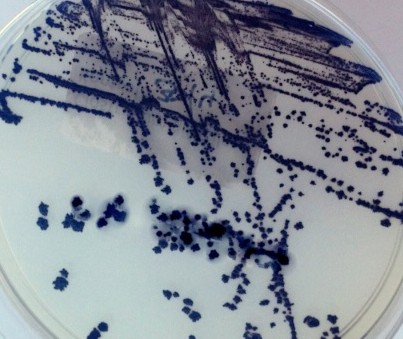
Infection caused by the bacterium Clostridioides difficile (C. difficile) is one of the most common causes of antibiotic-associated diarrhea. This bacterium can cause severe digestive disorders and, in some cases, lead to hospitalization or even death. It is crucial to understand how the infection occurs, what preventive measures can be taken, and the role enterosorbents can play in treatment.
What is Clostridioides difficile and how does it cause infection?
Clostridioides difficile is a bacterium that naturally resides in the human gut. Under certain circumstances - for example, when the balance of the normal intestinal microflora is disrupted - it can begin to multiply rapidly. Typically, the balance of the gut microbiota is maintained by proper immune system function and normal beneficial bacteria. However, after the use of antibiotics, which destroy not only pathogenic but also beneficial microorganisms, C. difficile can take control and secrete toxins that damage the intestinal mucosa. This leads to inflammation, diarrhea, and abdominal pain.
Typical symptoms of infection include:
- Frequent watery diarrhea
- Abdominal pain and cramping
- Fever
- In more severe cases, the presence of blood or mucus in the stool
In some instances, the infection can lead to more serious conditions such as pseudomembranous colitis, toxic megacolon, or bowel perforation, all of which require immediate medical intervention.
How to prevent Clostridioides difficile infection?
Prevention of C. difficile infection is key, especially for individuals taking antibiotics or staying in hospitals, where the risk of infection is significantly higher. Here are some basic recommendations for prevention:
- Limited use of antibiotics: One of the main risk factors is the incorrect or excessive use of antibiotics. It is vital to follow a doctor's instructions and avoid self-medication.
- Hand hygiene: C. difficile is transmitted via the fecal-oral route; therefore, regular handwashing (especially after using the toilet) is essential.
- Specialized care in healthcare facilities: In hospitals and nursing homes, individuals with a C. difficile infection should be isolated to prevent the spread of the bacteria between patients.
- Use of probiotics: In some cases, a doctor may recommend probiotics to restore normal gut microflora after antibiotic treatment. These help reduce the risk of dysbiosis and subsequent infections.
- Supporting gut microbiota health: Proper nutrition and a healthy lifestyle support the balance of intestinal bacteria, helping to prevent the overgrowth of pathogenic microorganisms.
The role of enterosorbents in the treatment of Clostridioides difficile infections
Enterosorbents are preparations that absorb and eliminate toxins, microorganisms, and other harmful substances from the digestive tract. They can play an important role in the treatment of C. difficile infections.
Enterosorbents help to:
- Reduce toxic effects on the intestinal mucosa: C. difficile secretes toxins that damage the intestinal walls and lead to inflammation. Sorbents bind these toxins, thereby reducing their activity.
- Alleviate symptoms: Enterosorbents can help reduce the intensity of symptoms such as diarrhea and bloating, improving the patient's overall condition.
- Assist in microflora recovery: After the infection is treated, it is important to restore the normal gut microflora; sorbents can support the elimination of toxic substances that contribute to dysbiosis.
For example, Enterosgel is a highly effective gel-based enterosorbent capable of efficiently adsorbing the toxins produced by this bacterium—specifically Toxin B (TcdB), which damages the intestinal mucosa. Studies show that Enterosgel can absorb the majority of TcdB within 30 minutes, thereby helping to mitigate diarrhea. Although it is not a substitute for antibiotics, it can be a useful adjunct in the treatment of this infection and support the recovery of the gut microflora.
Other enterosorbents include preparations based on dioctahedral smectite and polyphepan. It is important to realize that these medications are a supplementary part of treatment and do not replace the antibiotics necessary to treat the infection itself.
What to Remember
C. difficile infection represents a serious health threat, especially for those on antibiotic therapy. Preventing infection and supporting gut microbiota health through proper nutrition and hygiene are key. Enterosorbents can be a useful tool in the comprehensive treatment of this infection, as they reduce toxic effects on the body and alleviate symptoms. However, it is essential to remember that they are a supplementary treatment and do not replace the necessary antibiotics.
If you notice symptoms of infection or have recently undergone antibiotic treatment, it is important to consult a physician who can help you choose the correct treatment and prevention strategy.
1) https://www.nature.com/articles/s41598-019-42176-z