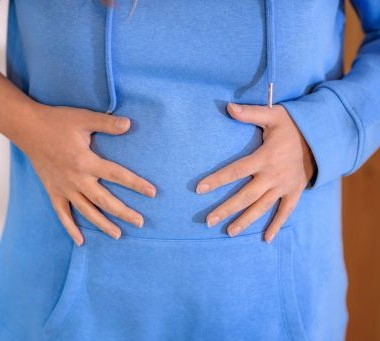
Bloating is a complex clinical symptom experienced by a significant portion of the population. It can range from short-term discomfort to persistent and painful symptoms. This phenomenon is often accompanied by a feeling of fullness, heaviness, and abdominal pain, which significantly impacts a patient's quality of life. In this article, we will examine the primary etiological factors of bloating, its pathophysiology, and approaches to symptom relief.
What is behind bloating?
The causes of bloating are diverse and include both functional disorders and organic diseases. Let’s look at the main factors:
- Aerophagia: Swallowing air—which occurs during rapid eating, talking while eating, or drinking carbonated beverages—is one of the most common causes of meteorism (flatulence). This ingested air enters the digestive tract and leads to excessive distension, causing discomfort.
- Improper diet and food fermentation: Excessive consumption of high-fiber foods (such as legumes, cabbage, or whole grains) can lead to increased gas production in the colon. This often occurs in individuals not accustomed to such foods—specifically if they suddenly increase fiber intake. In healthy individuals, the gut microbiota usually adapts gradually, leading to a reduction in symptoms. Issues arise primarily with very high doses or in people with impaired digestive function, such as enzyme deficiencies (e.g., lactose intolerance). In these cases, undigested food residues serve as a substrate for fermentation, increasing the volume of intestinal gas.
- Hypodynamia: Insufficient physical activity slows down intestinal peristalsis and disrupts evacuative function. This increases the likelihood of gas accumulation in the intestines.
- IBS (Irritable Bowel Syndrome): Bloating is a hallmark symptom of functional disorders like IBS. In IBS, there is an imbalance in gut motility and hypersensitivity of the intestinal walls, contributing to gas buildup and painful sensations.
- Food intolerances and allergies: Lactose, gluten, and other dietary components can cause meteorism in sensitive individuals. When enzymes needed to break down these substances are lacking, they remain undigested, causing excessive gas production.
- Infections and inflammatory diseases: Certain infections, such as Helicobacter pylori, or inflammatory bowel diseases (IBD) like Crohn's disease or ulcerative colitis, can disrupt normal tract function.
- SIBO (Small Intestinal Bacterial Overgrowth): This condition occurs when bacteria that normally live in the colon overpopulate the small intestine. These bacteria begin fermenting food residues prematurely, leading to excessive gas, discomfort, diarrhea, or a feeling of fullness shortly after eating.
The mechanism of bloating
The primary mechanism is the excessive production of gas leading to the distension of the intestinal walls. This happens in several ways:
- Excessive fermentation: If carbohydrates (lactose, fructose, or certain fibers) are not properly digested in the small intestine, they reach the colon undigested. There, the microbiota breaks them down through fermentation, producing carbon dioxide, hydrogen, and methane. If proteins are not well-absorbed in the small intestine, they undergo putrefactive processes in the colon. This creates foul-smelling gases like hydrogen sulfide, ammonia, or skatole, which can also irritate the intestinal mucosa.
- Disrupted motility: Slower evacuation of intestinal contents in the colon leads to gas retention and increased pressure.
Approaches to Symptom Management
Dietary adjustments
Foods that trigger bloating should be introduced gradually and in small portions to allow the microbiota to adapt. For chronic sufferers, a low FODMAP diet may be useful to identify and limit specific fermentation triggers. For those with confirmed celiac disease or lactose intolerance, strict adherence to the prescribed diet is essential.
Stress management
Chronic stress activates the sympathetic nervous system, which slows peristalsis and contributes to gas retention. Relaxation techniques, walks, and fresh air can reduce the impact of the "brain-gut axis" on digestion.
Physical activity
Regular movement supports peristalsis and accelerates the evacuation of intestinal gas. Even a short walk after a meal can significantly reduce discomfort.
Probiotics and Synbiotics
Probiotics can help restore microbial balance and improve digestion, especially in cases of dysbiosis associated with meteorism.
Pharmacological treatment and sorbents
Active substances that reduce the volume of gas may be used. For patients with IBS-D (diarrhea-predominant IBS), the use of Enterosgel is clinically supported. It acts as an enterosorbent that binds toxins and can significantly reduce bloating and flatulence. Always consult a physician to rule out contraindications.
Consultation with a doctor
If bloating persists and is accompanied by pain, changes in stool consistency, weight loss, or other "red flag" symptoms, seek medical diagnosis. It is necessary to rule out conditions such as IBD, celiac disease, or neoplastic processes.
Bloating and excessive gas can be more than just an inconvenience; they can also be a signal of various digestive issues. Identifying their causes and understanding the mechanisms behind these symptoms is key to effectively managing the condition.
Dietary adjustments, lifestyle improvements, and appropriate treatment can significantly enhance your digestion and overall quality of life.
However, if symptoms persist or are associated with other health problems, it is always best to seek professional medical help. This ensures that any potentially serious underlying conditions can be identified early and addressed with appropriate measures.
Additional Information on Bloating and Diarrhea:
Bloating or flatulence that precedes, accompanies, or signals diarrhea may require a specific approach to treatment. In such cases
Enterosgel is an appropriate enterosorbent that helps alleviate bloating even in "complex" situations where a diarrheal component is present.
In patients with diarrhea-predominant irritable bowel syndrome (IBS-D), Enterosgel has been clinically proven to significantly reduce bloating and flatulence.